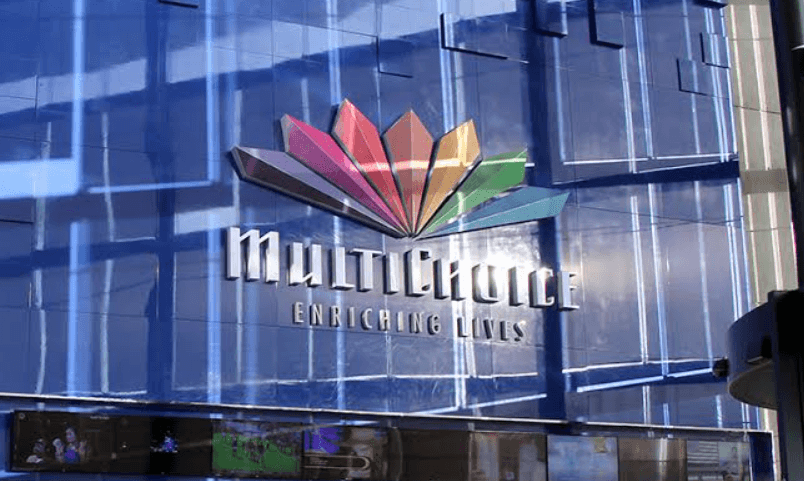

MultiChoice Nigeria has moved to clear up one question that many DStv and GOtv subscribers may have had since Canal+ took control of the wider MultiChoice business: Who is actually making the decisions in Nigeria?
The company says that while it is now part of Canal+, important decisions affecting Nigerian customers are still being made by its local leadership.
That includes areas such as DStv and GOtv pricing, channel packaging, content choices and distribution.
For me, this is an important clarification because ownership changes can easily make customers assume that everything is now controlled from the company’s headquarters abroad. According to MultiChoice Nigeria, that is not how the Nigerian business is being run.
Canal+ now owns MultiChoice, but Nigeria still has local control
MultiChoice Nigeria CEO Kemi Omotosho said the company has been part of Canal+, a France-based global media and entertainment group, since September 2025.
However, she stressed that becoming part of the international group has not removed the Nigerian leadership from everyday business decisions.
The local team is still responsible for understanding what Nigerian viewers want and how economic conditions are affecting them.
This means decisions around products such as DStv and GOtv are expected to consider the realities of the Nigerian market rather than simply copying what works in another country.
That distinction matters, especially at a time when Nigerian households are dealing with rising living costs and changing entertainment habits.
So, will Canal+ decide DStv prices?
This is probably the part many subscribers will care about most.
MultiChoice Nigeria says pricing decisions remain locally driven.
In other words, Canal+ ownership does not automatically mean that someone sitting outside Nigeria will decide how much Nigerians should pay for their DStv or GOtv packages.
The local management team still has to consider factors such as the Nigerian economy, customer preferences and the cost of running the business.
That does not mean DStv prices cannot increase in the future. It simply means that the company says those decisions are being made with the Nigerian market in mind.
For subscribers, I think this is the part worth watching.
If MultiChoice Nigeria continues to face higher operating costs, currency pressure and changing customer behaviour, pricing will remain a major issue regardless of who owns the company.
What Canal+ brings to the table
The interesting part of this arrangement is that MultiChoice Nigeria says local control does not mean operating alone.
Being part of Canal+ gives the Nigerian business access to international technology, ideas and experience from other markets.
The company says it can take useful ideas developed elsewhere and adapt them for Nigerian viewers.
The relationship can also work in the opposite direction.
If MultiChoice Nigeria develops a product, technology or business idea that works particularly well here, that experience could potentially be used in other markets within the wider Canal+ group.
I think that is where Nigerian customers could eventually see some interesting changes.
Instead of simply viewing the acquisition as a change of ownership, it may be better to watch what happens when MultiChoice’s understanding of Nigerian viewers is combined with Canal+’s international resources.
DStv and GOtv customers should watch the content changes too
Pricing is not the only thing that matters.
Channel availability and content have become just as important as streaming services continue to change the way Nigerians watch entertainment.
Earlier in 2026, DStv and GOtv subscribers saw several channels disappear from the platforms following changes involving Paramount Africa. BET Africa, MTV Base, CBS Justice and CBS Reality were among the affected channels.
That means subscribers are already paying close attention to what happens to their channel line-ups.
The Canal+ ownership could therefore become more significant over time if it leads to new content partnerships, different channel packages or changes in how entertainment is delivered to Nigerian customers.
For now, however, MultiChoice Nigeria’s message is that these decisions will continue to be shaped by the local market.
Why the Canal+ connection could be useful to Nigeria
There is another side of this story that I think deserves attention.
Global ownership is not necessarily bad news for a local technology and entertainment business.
The major opportunity is access.
MultiChoice Nigeria can potentially benefit from technology, experience and ideas developed across Canal+’s international operations. That could help the company improve its products and services without having to build everything from scratch.
There could also be more room for Nigerian content and talent to reach audiences outside the country.
If a successful Nigerian production or technology solution proves useful locally, being connected to a global entertainment group could give it a larger platform.
That is where the “think globally, act locally” approach becomes interesting.
What this means for Nigerian DStv and GOtv subscribers
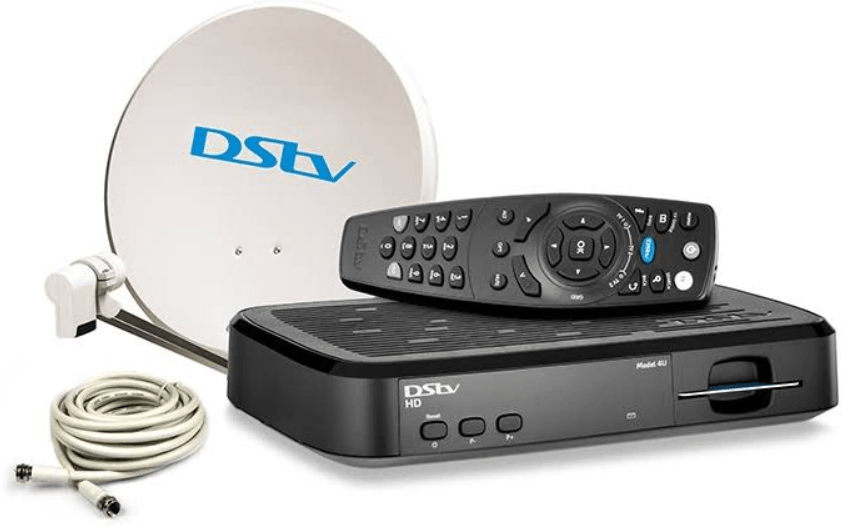
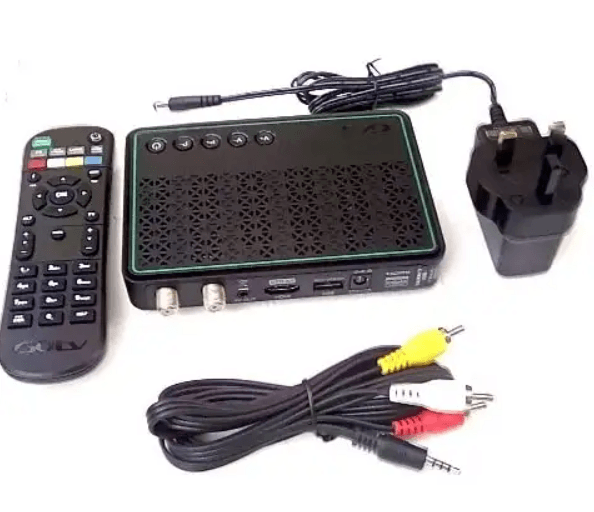
For the average subscriber, the biggest takeaway is quite simple.
Canal+ owns the wider MultiChoice business, but MultiChoice Nigeria says its Nigerian operations remain locally driven.
So if you are waiting for Canal+ ownership to automatically bring cheaper DStv packages, completely different channels or immediate changes to GOtv, there is no such promise at the moment.
Instead, I would watch three things closely:
1. DStv and GOtv prices
Price changes will remain one of the biggest indicators of how the company is responding to Nigeria’s economic situation.
2. Channel packages
Subscribers should pay attention to which channels are added, removed or moved between packages.
3. New technology and content
This is where the Canal+ connection could become more interesting. New streaming features, better digital services and more international content could become possible as the Nigerian business gains access to wider resources.
My take: The real story is what happens next
To me, the Canal+ acquisition is more interesting when we stop looking at it simply as a foreign company buying a Nigerian entertainment business.
The bigger question is what MultiChoice Nigeria does with the resources that come with that ownership.
Nigeria has a huge entertainment market, a growing digital audience and a creative industry producing content that already attracts attention around the world.
If MultiChoice Nigeria can combine that local advantage with Canal+’s international reach, there is a real opportunity to build better products for Nigerian viewers while also taking Nigerian ideas and content to other markets.
But customers will ultimately judge the arrangement by what they can actually see.
Better services, useful technology, stronger content and pricing that makes sense for Nigerian households will matter far more than the corporate structure on paper.
For now, MultiChoice Nigeria’s position is clear: Canal+ may be the global owner, but the company says Nigeria’s DStv and GOtv decisions are still being shaped locally.
And that is the part I will be watching as the new ownership structure settles in.
Follow Tomzytec for more…





Leave a comment