


SunTrust Bank Nigeria has agreed to provide terminal identification and related support for OPay’s merchant and agent network, adding a banking-infrastructure partnership behind familiar everyday POS transactions.
The deal has been reported through mid-November 2026, including coverage of a bank statement by Nigerian publications. It concerns the infrastructure supporting OPay POS operations; it is not a published instruction for customers to move their money.
For shop owners and agents, the useful questions are what the arrangement covers, what has actually changed and which practical details still need confirmation.
Table of Contents
1. The OPay POS deal centres on terminal identification
According to Blueprint’s report of SunTrust’s statement, the companies entered a Terminal ID Services Agreement. SunTrust will provide Terminal Identification Numbers and support for OPay’s POS merchants and agents.
The reported responsibilities include terminal registration, identification and management, together with transaction settlement and reconciliation support. The bank describes the aim as improving merchant payment operations.
This report relies on published reporting of the bank’s statement. We have not obtained or inspected the full commercial contract, so we are not presenting undisclosed terms as established facts.
A terminal identifier is part of the operational information behind a payment device. For a merchant, that makes accurate device records and an identifiable support route more useful than a headline about two brands working together.
2. The announcement is about support, not measured outcomes
The Paypers’ 17 November coverage also describes terminal IDs, management and settlement support for the OPay POS network.
The stated goal is more efficient and reliable operations. A goal in an announcement should not be rewritten as evidence that every merchant is already receiving faster settlement or that failed transactions have been eliminated.
The practical way to assess a change is through the experience of an actual merchant account over time. Check the provider’s own records, written service terms and support responses rather than judging the entire network from one anecdote.
For customers, a familiar terminal brand is not a substitute for checking the amount, keeping the transaction reference and reviewing the result through the normal payment process.

3. Important OPay POS rollout details are still unclear
The reports reviewed do not establish a public timetable for every merchant, a full terminal count or a new nationwide fee schedule. We also have not verified a requirement for existing OPay POS agents to replace their devices because of this deal.
That means an agent should not assume a new charge, a different settlement promise or a mandatory hardware purchase solely from the partnership announcement.
If you receive a message claiming that the deal requires an immediate payment or account change, verify it through the support channel you already use. Do not let a third party’s urgent interpretation replace written guidance from your provider.
Ask specific questions: does this apply to my account, what action is required, when does it take effect and where are the terms published? A clear answer should identify the actual service involved.
4. Merchants should keep reconciliation practical
For a merchant, reconciliation means checking that the records of sales, transactions and money received agree. The OPay POS announcement makes this support function part of the story, but it does not remove the value of keeping your own business records.
Keep the date, amount and reference for transactions you need to query. Share those through an approved support route, and remove unnecessary customer information when preparing screenshots.
If a transaction is uncertain, use the provider’s normal dispute or enquiry process. Avoid treating a screenshot from an unknown person as the final proof that a payment has succeeded.
Businesses can also keep a simple list of unresolved enquiries and the response received. That makes follow-up easier when more than one employee deals with support.
Our business email planning guide covers another part of maintaining dependable customer communication. Clear ownership of business accounts matters whether the tool is a mailbox or a payment service.
5. Read the OPay POS partnership within its limits
The main news is a bank and a fintech working together on payment infrastructure. It is reasonable to watch whether the arrangement improves day-to-day support, while keeping the distinction between promised objectives and demonstrated results.
The OPay POS deal is not, in the sources reviewed, an announcement of a merger, a new investment product or a public guarantee about every customer transaction. Those would require their own evidence.
We are also not inferring changes to ordinary SunTrust accounts from this agreement. A story about merchant terminal services should remain a story about those services.
For agents, keep using established contacts for operational questions. You should not need to disclose a PIN, password or one-time verification code to a stranger because a partnership has been announced.
If your business uses WhatsApp for customers, our WhatsApp privacy guide explains ways to review visibility and calls. Keeping business communication organised can make unexpected messages easier to assess.
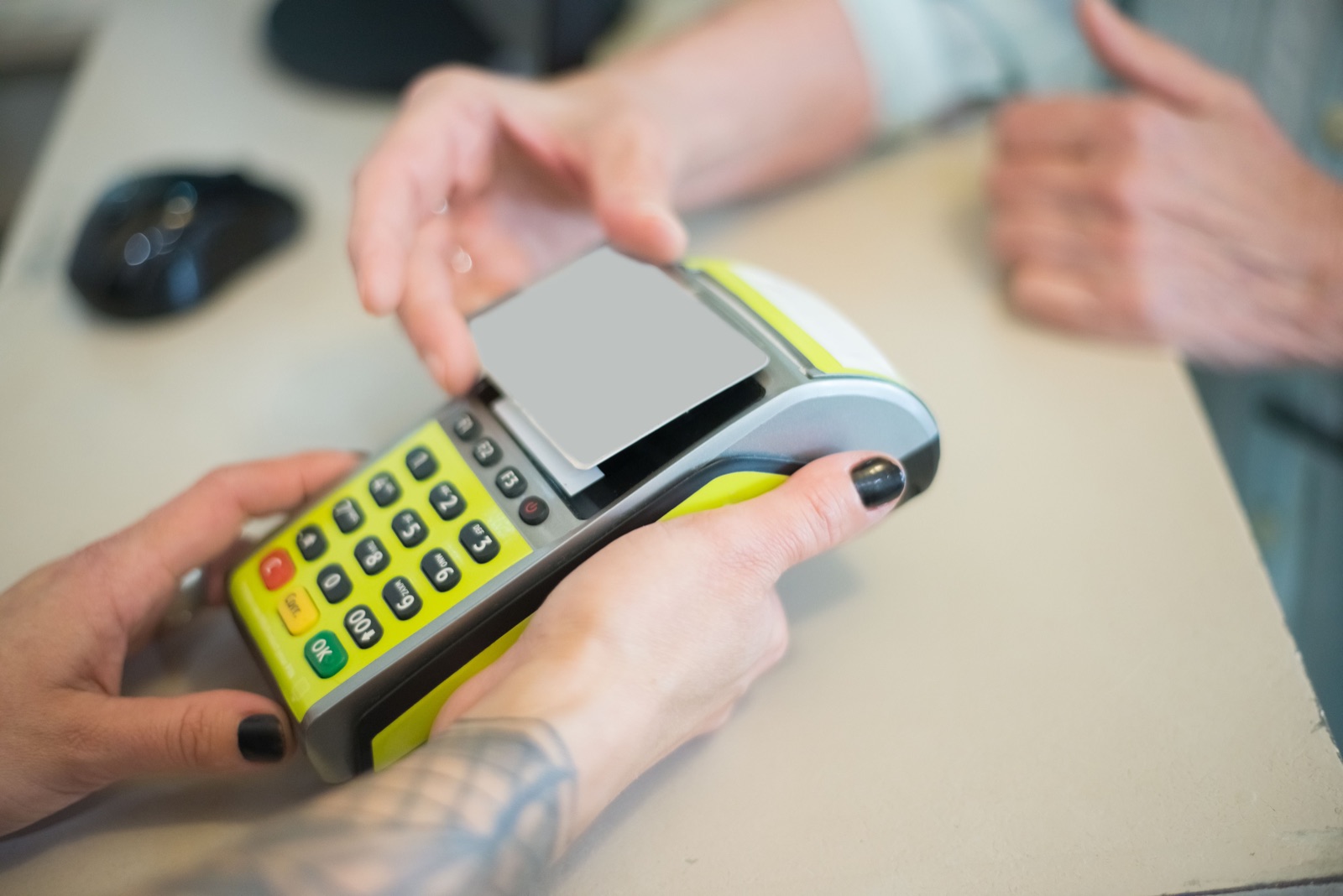
The photographs are illustrative payment-terminal images. They do not depict a signing ceremony or identify the devices as OPay or SunTrust terminals.
Final Thoughts
The OPay POS partnership puts useful attention on the infrastructure behind everyday payments: device identification, support and reconciliation. Those are practical services for businesses to watch.
For now, the sensible conclusion is limited to what the reports establish. Follow official merchant communications for any account-specific action, fees or rollout changes instead of assuming them from the headline.






1 Comment