

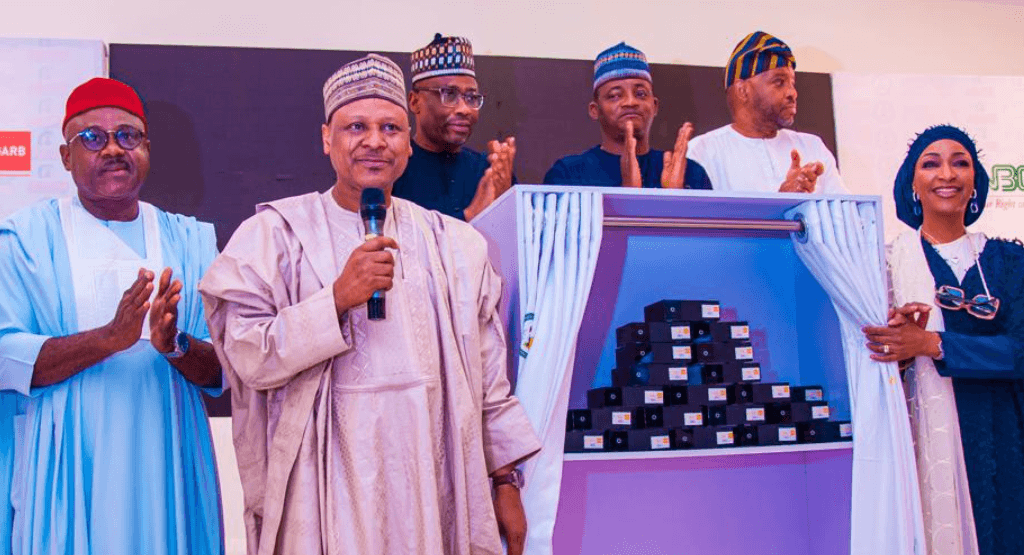

Nigeria has taken another major step in its digital broadcasting journey with the launch of a new television audience measurement system that uses peoplemeter technology.
The rollout officially begins in Lagos and marks the first time Nigeria will use electronic audience tracking instead of relying on traditional diary-based viewing reports.
For broadcasters, advertisers, media agencies, and even content creators, this may seem like a technical industry update. But when you look deeper, it could have a big impact on how advertising money is spent and how television content is produced across the country.
Nigeria has launched its first peoplemeter-based TV audience measurement system, beginning with Lagos. The technology automatically tracks television viewing habits through devices installed in selected households, replacing older diary-based methods. The move is expected to improve advertising transparency, help broadcasters understand their audiences better, and support Nigeria’s wider transition to digital broadcasting. For advertisers and media companies, it could lead to smarter spending and better content decisions.
What Exactly Has Nigeria Launched?

A new Television Audience Measurement (TAM) system has been introduced to track what people are actually watching on TV.
The project is being delivered by First Media and Entertainment Integrated Limited (FMEIL) in partnership with Bulgarian audience measurement company GARB.
The system was developed following appointments by the National Broadcasting Commission (NBC) and the Advertising Regulatory Council of Nigeria (ARCON).
Unlike older methods that depended on people manually reporting what they watched, the new technology automatically records viewing habits through electronic devices installed in selected homes.
This means audience data can be collected more accurately and more consistently.
Why This Matters
For years, one of the biggest questions in Nigeria’s television industry has been simple:
“How many people are really watching?”
Without reliable data, broadcasters often struggle to prove the value of their audiences, while advertisers find it difficult to know whether their campaigns are reaching the right people.
The new peoplemeter system aims to solve that problem.
Instead of guessing audience numbers, media companies will have access to real viewing information that can help them make better decisions.
Countries such as the United Kingdom, United States, Canada, and several European nations already use similar systems to measure television audiences.
Now Nigeria is joining that group.
How the Peoplemeter System Works
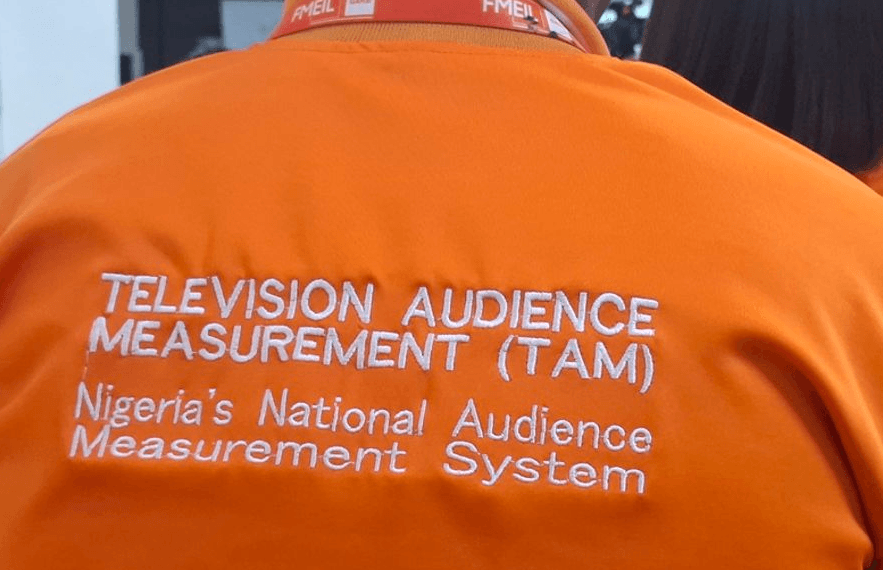
The process starts with selected households that agree to participate in the audience measurement program.
Field teams contact potential participants by phone before arranging installation appointments.
Once selected, technicians install a peoplemeter device and an internet-enabled router in the home.
The equipment records television viewing activity and securely sends data to a central system every day.
Participants are also provided with monthly incentives for remaining in the program.
The goal is to create a representative sample of Nigerian TV viewers so that audience figures accurately reflect viewing habits across the country.
The Research Behind It
The audience panel is based on Nigeria’s nationwide Establishment Survey conducted in 2023.
The survey covered approximately 60,000 households across all 36 states and the Federal Capital Territory.
Lagos alone accounted for around 7,000 households in the survey.
This large data pool allows researchers to select households that closely represent the country’s television-owning population.
Lagos Is Just the Beginning
The rollout is happening in phases.
Lagos serves as the first deployment location because of its position as Nigeria’s largest media and advertising market.
The next phase will expand to:
- Abuja
- Port Harcourt
- Kano
After that, additional locations across Nigeria’s six geopolitical zones will be added.
The long-term goal is a nationwide audience measurement network that covers the entire country.
A Bigger Piece of Nigeria’s Digital Broadcasting Push
This development is not happening in isolation.
It comes shortly after Nigeria renewed efforts toward its Digital Switch Over (DSO) programme.
The transition from analogue broadcasting to digital broadcasting is expected to provide more channels, better signal quality, and wider access to television content.
As digital broadcasting expands, audience measurement becomes even more important because viewers have more content choices than ever before.
Knowing where viewers spend their time helps broadcasters and advertisers understand the market better.
The Opportunity Hidden in This Story
From our perspective at TomzyTec, the most interesting part of this development is not the technology itself.
It is the opportunity it creates.
Accurate audience data often attracts more advertising investment because brands can clearly see where their money is going.
When advertisers gain confidence in audience numbers, television stations can potentially attract larger advertising budgets.
Content creators, production companies, broadcasters, and media startups may also benefit because decision-makers can identify what audiences genuinely enjoy instead of relying on assumptions.
For businesses that advertise on television, better audience measurement could lead to more efficient marketing spending and stronger campaign results.
What Happens Next?
The success of the project will largely depend on how effectively the nationwide rollout is completed and whether the data remains transparent and trusted by industry stakeholders.
If successful, Nigeria could become one of Africa’s leading markets for audience measurement and media analytics.
As television, streaming, and digital media continue to compete for attention, reliable audience data may become one of the most valuable assets in the media industry.
And with Lagos now serving as the starting point, Nigeria’s television ecosystem is entering a new era where audience numbers are no longer based on estimates but on real-time viewing behaviour.




Leave a comment