

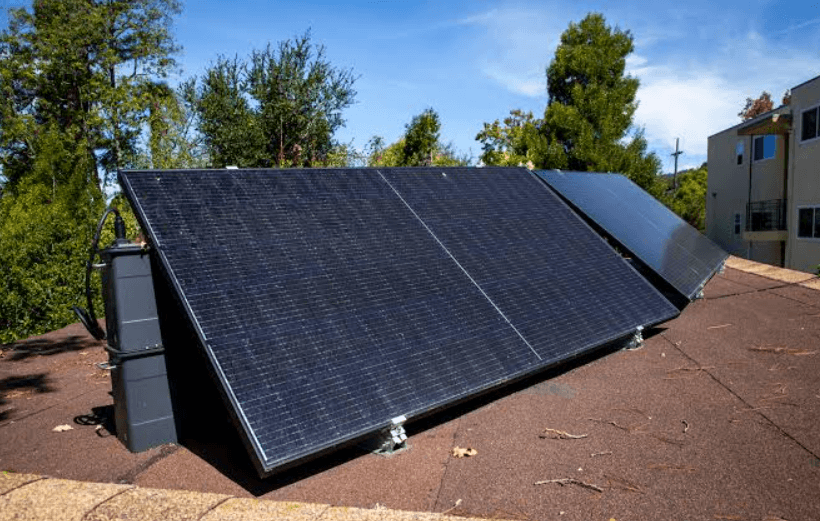

For years, solar power has sounded like a great idea for many households, but the high cost of rooftop installation often puts it out of reach. That may be changing.
The UK has officially approved the sale of plug-in solar panels, a simpler, cheaper type of solar system that can connect directly to a household socket.
The move could make solar energy accessible to millions of people who previously couldn’t afford traditional solar installations or didn’t have suitable rooftops.
As someone who follows technology that can save people money and improve everyday life, I think this is one of the most interesting energy stories of 2026.
What Exactly Are Plug-In Solar Panels?
Think of them as a smaller and more flexible version of regular solar panels.
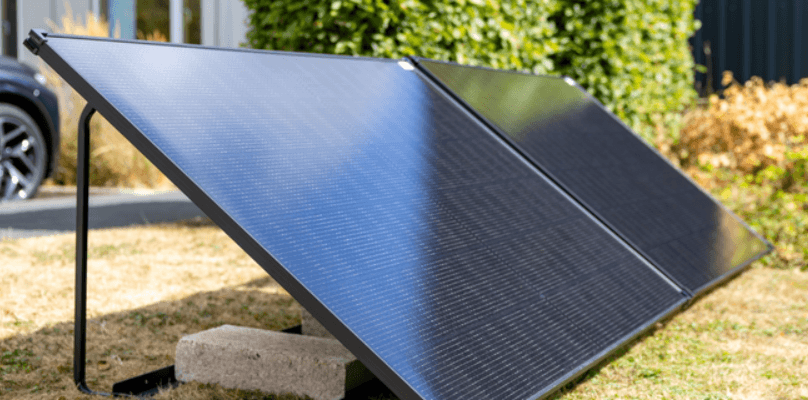
Instead of hiring installers to mount panels on your roof and connect them to your electrical system, these new solar kits can be set up by homeowners themselves. They can be placed in gardens, balconies, terraces, sheds, or other outdoor spaces that receive sunlight.
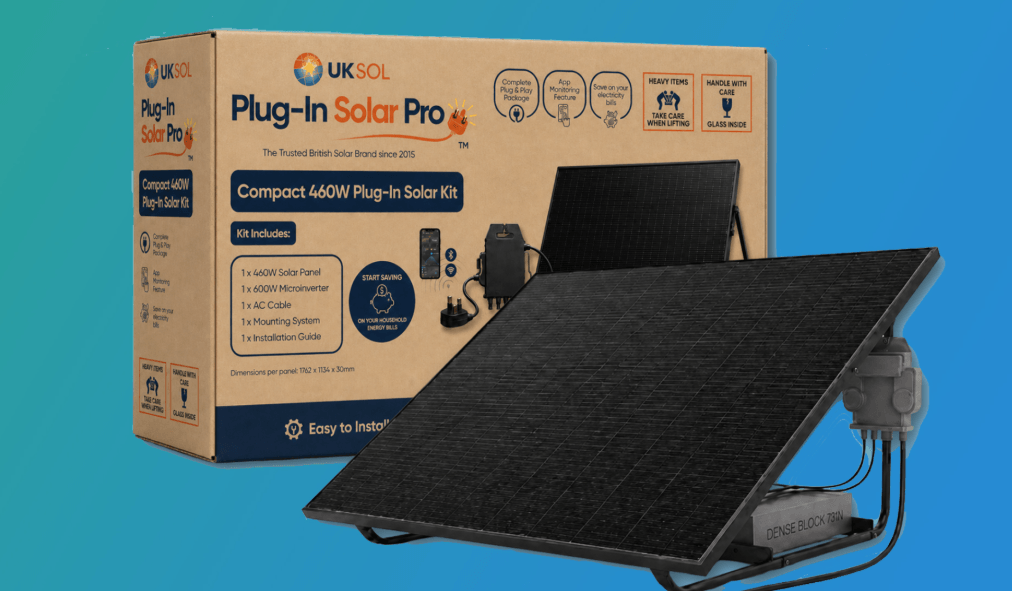
Once installed, the panel connects to a special microinverter and then plugs directly into a suitable wall socket.
The electricity generated is immediately used by appliances in the home, reducing the amount of power that needs to be purchased from the national grid.
In Germany and Spain, similar systems have become extremely popular and are often called “balcony solar” systems.
Why This Matters
Traditional rooftop solar installations can cost several thousand pounds.
Plug-in solar systems are arriving at a much lower price point.
Government estimates suggest that prices could settle between £400 and £600 as competition increases. Some early products are currently selling for higher prices, but industry experts expect costs to fall as more retailers enter the market.
For many households, this could become a low-risk way to start generating their own electricity without making a huge financial commitment.
How Much Money Can Households Save?
The savings are not life-changing, but they are meaningful.
Current estimates suggest that a typical household could save between £70 and £110 annually on electricity bills.
The exact amount depends on several factors:
- How much sunlight the panel receives
- The direction the panel faces
- Local weather conditions
- How much electricity the household uses during daylight hours
Homes that consume more power during the day are expected to benefit the most because the electricity generated needs to be used as it is produced.
For example, running appliances such as washing machines, dishwashers, laptops, televisions, and internet routers during sunny periods could help maximise savings.
How Much Power Can These Systems Produce?
The UK’s new rules limit plug-in solar systems to a maximum output of 800 watts.
That may not sound like much compared to a full rooftop solar system, but it can still cover a significant portion of daytime electricity use.
Government estimates suggest that an 800W system could provide up to 20 per cent of a typical household’s electricity demand while the sun is shining.
It will not completely power an entire house, but it can reduce reliance on grid electricity during the day.
Major Retailers Are Getting Involved
One of the biggest signs that this technology is moving into the mainstream is the number of major retailers preparing to sell it.
Several large UK retailers have confirmed plans to stock plug-in solar products, including:
- Argos
- Amazon
- Currys
- Wickes
- B&Q
- Screwfix
Energy companies are also getting involved, with British Gas and OVO announcing plans to offer plug-in solar solutions to customers.
This broad support suggests that plug-in solar could become a common household product rather than a niche energy gadget.
Safety Comes First
Although these systems are designed to be easy to use, experts are advising buyers not to skip safety checks.
Older homes may have electrical systems that need inspection before a plug-in solar unit is connected.
Industry groups recommend:
- Having wiring checked by a qualified electrician if there is any uncertainty
- Avoiding extension cables and adaptors
- Purchasing only approved products that meet UK regulations
- Following installation instructions carefully
The good news is that approved systems include safety technology that automatically shuts down if power is interrupted or the unit is disconnected.
Not Every Home Will Be Suitable
Plug-in solar is designed to help more people access renewable energy, but it is not perfect for every property.
Some homeowners may need permission from landlords, building owners, or property managers before installing panels.
People living in apartments or rented accommodation should check local rules before making a purchase.
The amount of available outdoor space and sunlight exposure will also affect performance.
The Bigger Opportunity
Looking beyond the UK, this development could signal a larger shift in the global solar market.
For years, solar adoption has largely depended on expensive rooftop systems. Plug-in solar introduces a simpler entry point that could encourage more households to experiment with renewable energy.
If the concept proves successful, we could eventually see similar products become more common in countries across Europe, Africa, and other regions where electricity costs continue to rise.
For tech companies, solar manufacturers, and retailers, this creates a growing market. For consumers, it creates another way to cut energy costs.
Our Take
At TomzyTec, we see plug-in solar as one of those technologies that solves a real-world problem simply.
Not everyone can afford a full solar installation. Not everyone owns a house with a suitable roof. But many people have a balcony, a garden, a terrace, or a small outdoor space.
That is exactly where plug-in solar could make a difference.
The technology will not eliminate electricity bills overnight, but it could help households spend less, gain more control over energy usage, and take a small step toward cleaner power generation.
As prices become more competitive and more products enter the market, this could become one of the most interesting consumer energy trends to watch over the next few years.






Leave a comment