


Starship Flight 15 has given SpaceX a new milestone: the first catch of its returning upper-stage spacecraft by the launch tower. The flight began on 13 November and the ship returned to Starbase, Texas, on 14 November 2026.
The result needs one important qualification. The ship was caught, but the Super Heavy booster was not recovered. Calling the mission a successful double catch would leave out a major part of what happened.
Here are five points from the flight recap and why the result matters for reusable rockets and the satellite networks they launch.
Table of Contents
1. Starship Flight 15 recovered the ship for the first time
In its official mission recap, SpaceX says the upper stage returned to its launch site about 22.5 hours after departure. The tower’s mechanical arms caught it following the landing burn.
The distinction between the ship and the booster is important. The booster provides the first stage of the launch; the ship continues toward space after separation. Recovering one is not the same achievement as recovering both.
Aerospace America’s report identifies the 14 November event as the first recovery of a Starship upper stage at its launch tower.
The catch is a milestone toward reusability. It does not, by itself, establish how quickly that vehicle can fly again, how much refurbishment it needs or the final cost of operating the system.
2. The booster’s return did not go as planned
SpaceX says Super Heavy’s boostback burn ended early because of low fuel mass, with the underlying cause still under investigation in the recap. Its automated systems diverted the booster to an offshore landing location.
The company describes a landing burn over the Gulf followed by activation of the flight termination system. The booster was therefore not caught at the launch tower.
That is why Starship Flight 15 should be assessed as a mixed result with a significant new achievement. The upper-stage recovery succeeded, while the intended booster recovery did not.
For readers following engineering development, the useful questions are what failed, how the system responded and what changes are needed. A single label such as “success” or “failure” can hide those separate outcomes.
We are not assigning a final technical root cause beyond SpaceX’s published account. That investigation may produce details that were not available when this report was prepared.
3. Starship Flight 15 also carried a working payload
SpaceX reports deploying 26 Starlink V3 satellites after reaching orbit and says contact was established with all of them. The satellites began raising their orbits to join the constellation.
That makes the mission relevant beyond the landing demonstration. A launch system needs to deliver useful payloads as well as demonstrate how its hardware returns.
For Nigerian readers interested in satellite connectivity, this is a development in the infrastructure behind the network. It is not an announcement that a particular Nigerian subscription price, coverage condition or household speed has changed.
Satellite deployment and the service a customer receives are connected but separate questions. Local access still depends on the operator’s current offering, equipment and conditions in the market where you use it.
Do not buy a terminal on the assumption that one launch automatically guarantees a new speed tier. Check the actual service terms and coverage information for your location.
4. Returning from orbit adds another layer of difficulty
The Starship Flight 15 recap describes an orbital insertion burn, satellite deployment, a long coast and a later deorbit burn before re-entry and the tower approach.
That sequence matters because a return from orbit is more than descending immediately after launch. The spacecraft must complete the relevant burns, manage its flight through the atmosphere and arrive in the right condition for the final manoeuvre.
Aerospace America describes the catch as a step toward complete reusability. The word “toward” is useful here: an individual demonstration can advance a programme without proving that routine operations are already established.
The next evidence to watch includes vehicle inspections, repeat performance and how lessons from the booster loss are addressed. Those are more informative than treating an impressive video as a complete operating record.
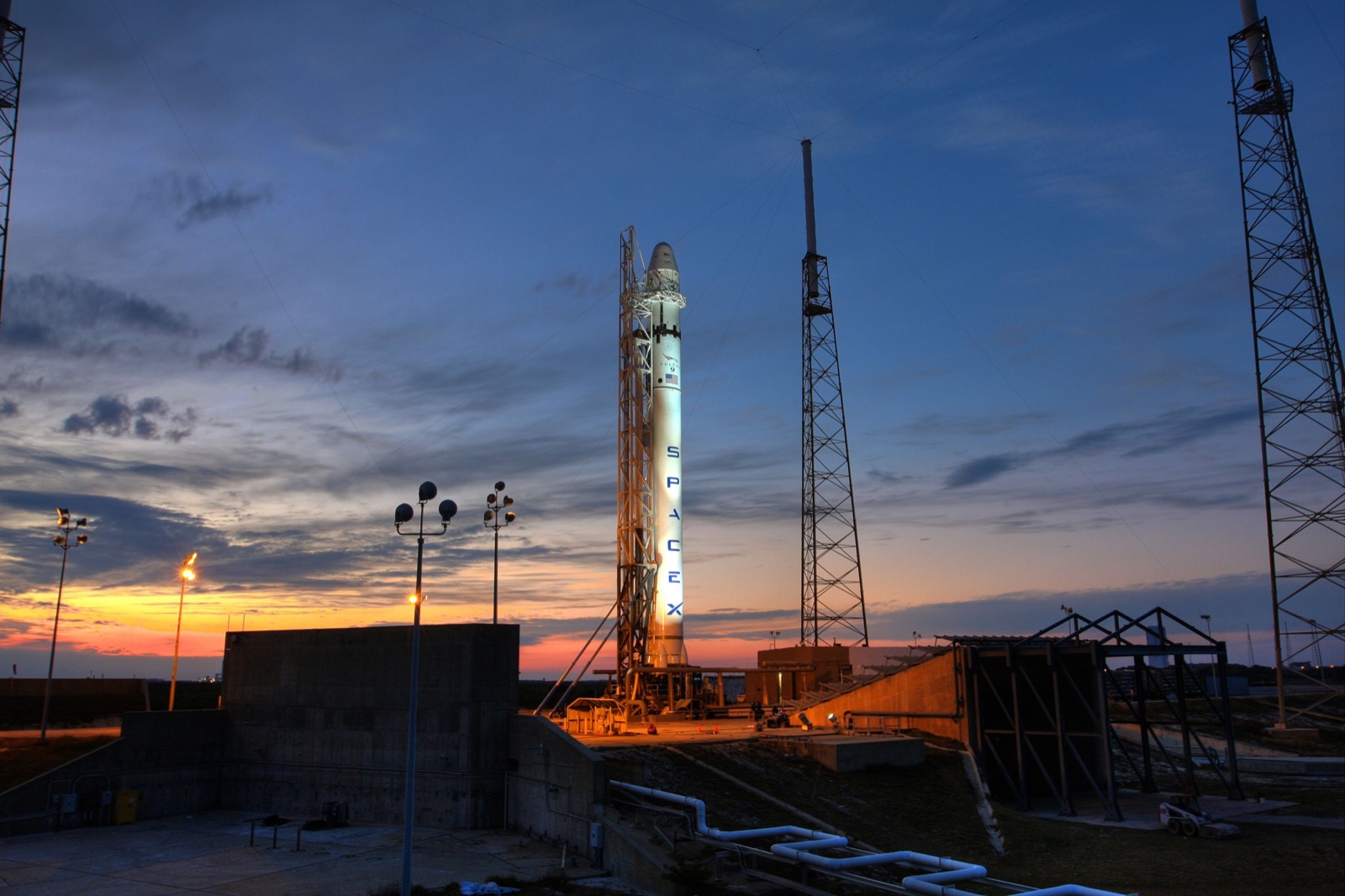
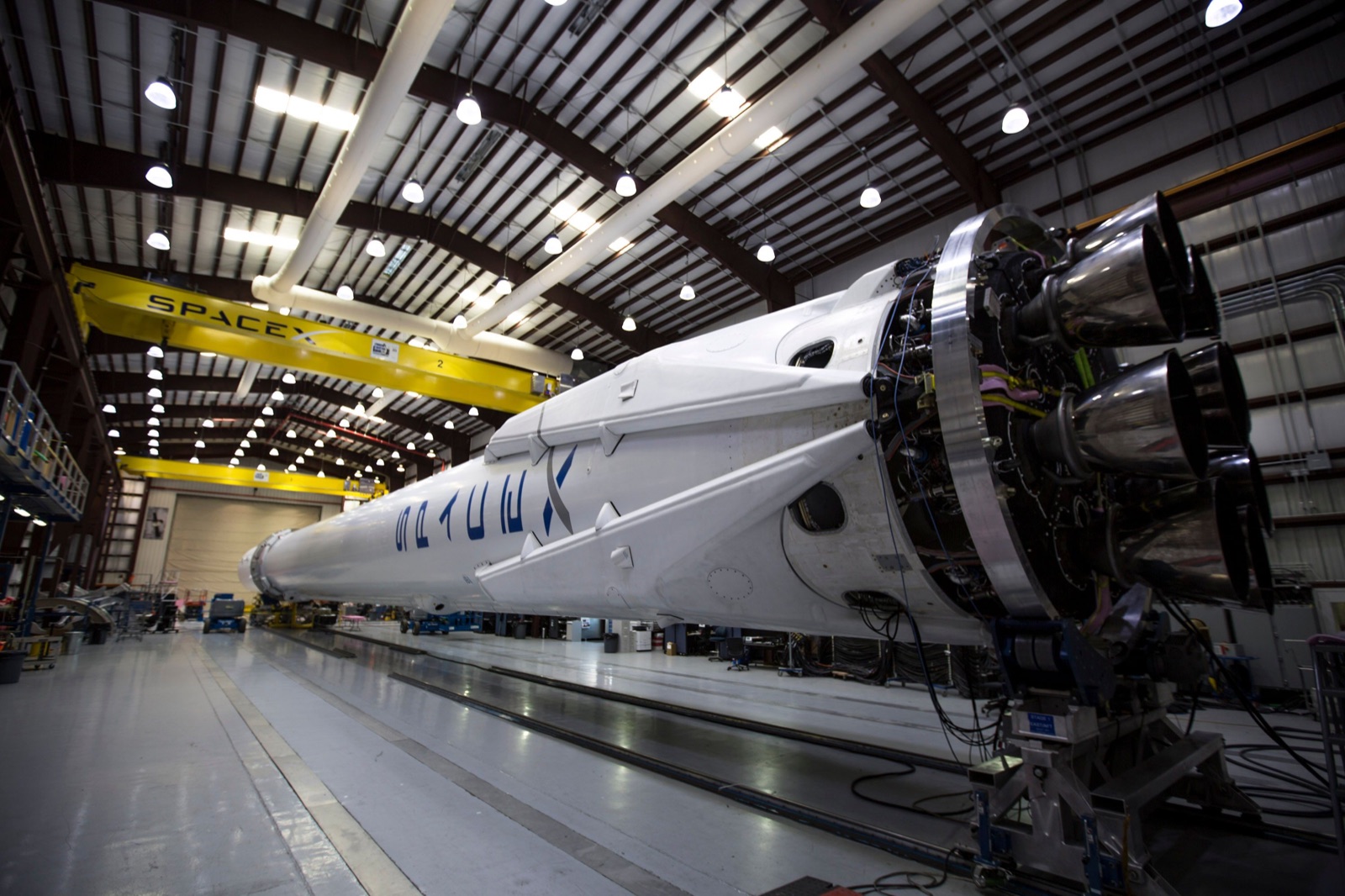
The archive SpaceX photographs used in this article show Falcon-family hardware, not Starship Flight 15. The linked official mission page contains the relevant mission footage and recap.
5. Separate Starship Flight 15 results from future promises
A first ship catch is a clear historical event in the programme. Predictions about launch frequency, costs or future crewed journeys are a different kind of claim and need their own evidence.
For someone entering technology, the mission is a useful example of systems working together: propulsion, guidance, communication, software and ground equipment. It also shows why fallback paths matter when an intended manoeuvre cannot proceed.
If the news inspires you to start learning, choose a small project you can explain and test. Our beginner GitHub portfolio guide can help you document technical work without pretending it is larger than it is.
Our coverage of Google’s Skilling Africa learning initiative is another starting point for readers exploring practical digital skills.
For future launches, follow the operator and the relevant official notices rather than treating an early target date as a guaranteed schedule. Test programmes can change as hardware and investigations progress.
Final Thoughts
Starship Flight 15 achieved something new with the upper-stage catch, while also exposing work still needed on booster recovery. Both belong in the account of the mission.
I think that combination is what makes the story interesting: a visible step forward, a clear limitation and further engineering evidence to watch. It is progress, with the next claims still waiting to be demonstrated.






Leave a comment