
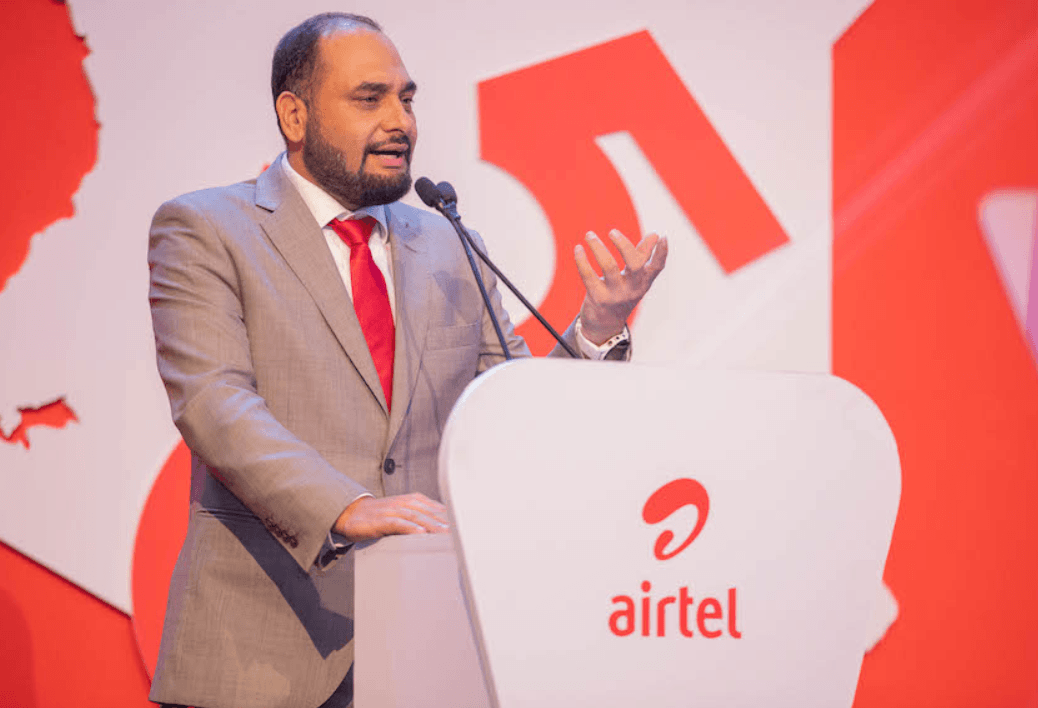

Airtel Kenya is making a move that could change how it competes in Kenya’s telecom market.
The company has applied for two major licences that could allow it to build and control much more of its own telecom infrastructure instead of depending heavily on infrastructure owned by other players.
For me, the interesting part is not just the licences themselves. It is what Airtel could do with them if they are approved.
The move could give Airtel more control over its network, international traffic, fibre infrastructure and other systems that connect its customers to the rest of Kenya and the world.
And if Airtel uses that control well, Kenyan consumers could eventually have another stronger competitor to Safaricom.
Airtel Kenya Has Applied for Two Important Licences
According to a notice published by Kenya’s Communications Authority (CA) in the Kenya Gazette on August 31, 2026, Airtel Kenya has applied for:
- A Network Facilities Provider Tier 1 licence
- An International Gateway Systems and Services licence
The regulator has opened a 30-day period for members of the public, businesses and other organisations to submit their views on the applications.
The licences are being sought under Kenya’s Information and Communications Act.
At first glance, this might look like another regulatory process that has little to do with ordinary smartphone users.
I don’t think that’s the best way to look at it.
These licences could affect how Airtel builds its network and how much control it has over the infrastructure behind the services customers use every day.
Why Airtel Wants More Control
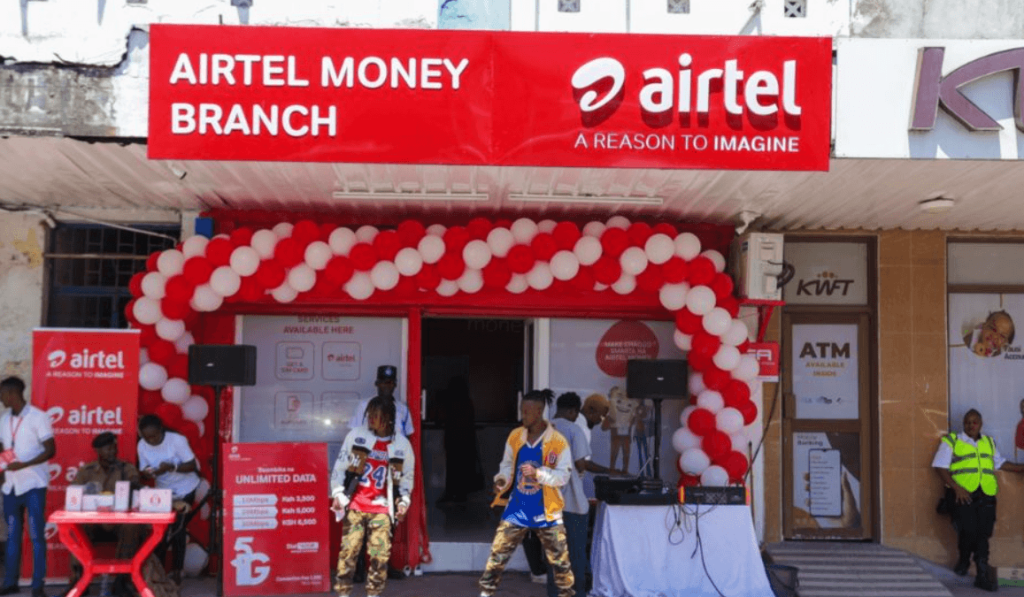
One of Airtel’s biggest challenges in Kenya has been infrastructure.
Running a telecom network is not simply about selling SIM cards and putting up mobile data packages. There is a huge physical and technical system working behind the scenes.
That includes things such as fibre networks, towers, data centres and other infrastructure required to move voice and data traffic.
Airtel currently relies on infrastructure arrangements involving other companies in parts of its operations.
Owning more of that infrastructure could change the equation.
Instead of always depending on someone else’s network capacity, Airtel could have greater control over how it builds, expands and manages its own network.
That could also give the company more flexibility as demand for mobile internet continues to grow.
What the Network Facilities Provider Licence Could Mean
The Network Facilities Provider Tier 1 licence is probably the more interesting of the two for Airtel’s long-term plans.
If approved, it would allow Airtel to build and operate large-scale telecommunications infrastructure in Kenya.
That could include infrastructure such as:
- Fibre optic networks
- Telecom towers
- Data centres
- Satellite-related equipment
- Other national telecommunications facilities
Airtel could also potentially lease some of its infrastructure capacity to other operators.
This means Airtel would not only be thinking about its own customers. Its infrastructure could potentially become part of the wider telecom ecosystem.
That is a much bigger ambition than simply expanding a mobile network.
The International Gateway Licence Is Also Important
The second application focuses on international connectivity.
International gateways are important because they provide the connection between a country’s telecommunications networks and networks outside the country.
In simple terms, this is part of the infrastructure that helps connect Kenya to the rest of the internet and international communications networks.
If Airtel receives the licence, it could have more direct control over how international traffic enters and leaves its network.
That could potentially give Airtel more control over costs, routing and service management.
For customers, the hope would be that greater control eventually translates into better and more reliable services.
Of course, getting the licence does not automatically mean Airtel’s network will suddenly become faster or cheaper. Airtel would still have to invest heavily and manage the infrastructure properly.
Airtel Could Become a More Serious Competitor to Safaricom
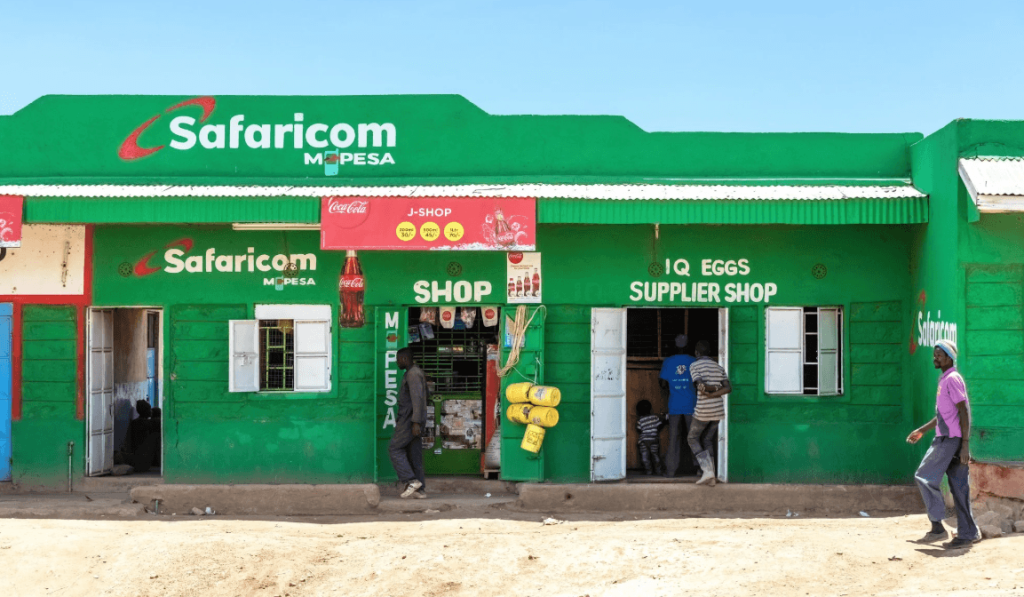
This is where things get interesting.
Kenya’s telecom market has long been heavily influenced by Safaricom.
Airtel has been competing with the company for years, but having greater control over infrastructure could give Airtel another weapon in that competition.
If both licences are approved and Airtel follows through with major infrastructure investment, the company could potentially compete more directly with players such as Safaricom, Telkom Kenya, Liquid Intelligent Technologies and Faiba.
That does not mean Airtel is about to overtake Safaricom.
But it could mean Airtel is preparing to fight a bigger battle.
And honestly, more serious competition could be good news for consumers.
What This Could Mean for Airtel Customers
This is the part I would watch if I were an Airtel customer in Kenya.
The biggest potential benefits are not necessarily going to appear immediately.
Infrastructure investment takes time.
But over the longer term, greater control could help Airtel improve areas such as network expansion, reliability and international connectivity.
It could also make it easier for Airtel to decide where and how to invest in its network.
There is another possible benefit too: competition.
If Airtel becomes a stronger infrastructure player, Safaricom has even more reason to keep improving its own services and pricing.
And when telecom companies have to compete harder for customers, consumers usually have more options.
Airtel Is Not Just Building for Today
What stands out to me about this move is the long-term thinking behind it.
Airtel could simply continue operating as a telecom company that depends on infrastructure arrangements with other players.
Instead, it is asking the regulator for the ability to build and control more of the infrastructure itself.
That could give the company more independence.
It could also create another revenue opportunity if Airtel eventually makes some of its infrastructure available to other operators.
In other words, Airtel may not just want to sell connectivity.
It could also want to become one of the companies providing the infrastructure that makes connectivity possible.
Kenya’s Telecom Competition Could Get More Interesting
The Communications Authority has not yet announced when it will make a final decision on Airtel Kenya’s applications.
For now, the regulator is allowing interested individuals, companies and organisations to submit their comments during the 30-day public participation period.
So there is still a process to go through.
But if Airtel gets both licences and commits serious money to infrastructure development, I think this is something worth watching closely.
It could gradually change Airtel’s position in Kenya from a major mobile operator that relies on infrastructure partnerships to a much more vertically integrated telecom company.
And that could make the competition with Safaricom a lot more interesting.
My Take
I don’t expect these licences to produce overnight changes for Airtel users.
The real story begins after approval.
Airtel will need to spend heavily on infrastructure, expand its network and prove that having more control actually results in better service.
But the opportunity is clear.
If Airtel Kenya can build the infrastructure it wants and use it efficiently, it could become a much stronger challenger in Kenya’s telecom market.
For Kenyan consumers, that could ultimately mean more competition, more choices and potentially better telecom services.
And that is the part I will be watching.






Leave a comment